Recurring Lice Infestations: Why Do Lice Keep Coming Back?
Few things are as frustrating as dealing with recurring lice. Just when you think you have cleared the infestation, the scratching starts again. Despite your best efforts to clean, comb, and apply treatment, the issue persists.
In this blog, we explain the most common causes of repeat infestations and how to stop them with the right strategy and support.
Missed Nits and Incomplete Treatment
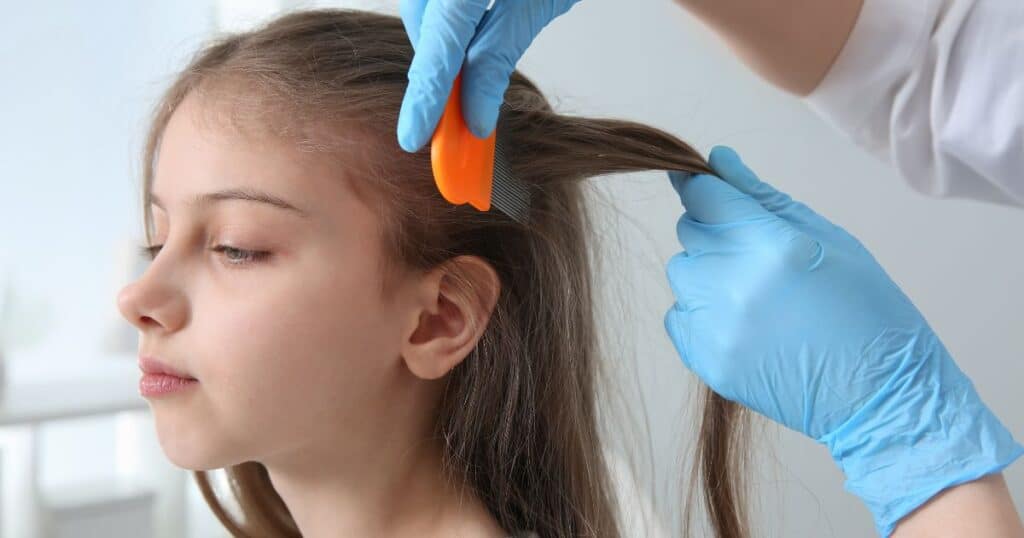
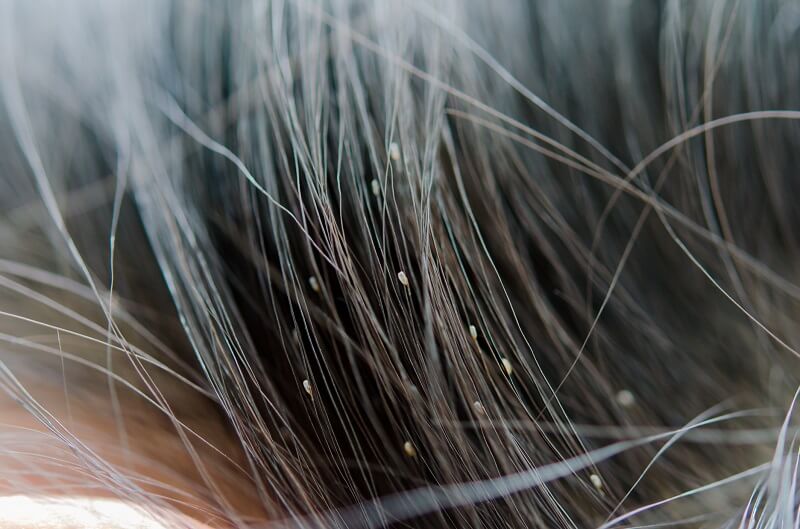
One of the most common reasons recurring lice persist is due to missed nits. These tiny lice eggs are tough to detect, especially when they are freshly laid. They cling to the hair shaft with a glue-like substance, making them nearly impossible to wash out or brush away.
Even when adult lice are killed during head lice treatment, unhatched lice eggs may survive. These eggs typically hatch within 8 to 9 days, giving rise to a new generation of lice that restart the infestation cycle. The situation often feels like a new problem, but it is the result of incomplete removal the first time around.
Manual removal of nits is a tedious and time-consuming process. It requires good lighting, proper tools, and an understanding of the lice life cycle. This is where many treatments fall short. If you do not follow up at the right time, even a few missed eggs can undo everything.
To eliminate lice, treatment must go beyond a one-time application. Most experts recommend repeating the treatment after a week and incorporating nit combing over several sessions.
Re-Exposure From Close Contacts
Another major contributor to recurring lice is re-exposure. Children, especially in school or daycare settings, are often in close contact with others. Lice do not jump or fly, but they can crawl quickly from one head to another during play, hugs, or group activities. Once someone in a household or class gets lice, the risk of others catching it increases significantly.
Sometimes, a parent may thoroughly treat their child, only for reinfestation to occur from a classmate who has not been treated. In these cases, the lice never really went away—they just moved temporarily. Lice reinfestation can be frustrating and demoralizing, particularly when it happens repeatedly.
Unfortunately, many schools no longer conduct head checks, so it is up to parents to stay alert. If one child in a household has lice, every family member should be checked, even if they show no signs. Lice can spread silently at first. Early detection makes all the difference.
Reducing this risk requires vigilance. The following lice prevention tips can help identify cases early:
- Communicate with schools
- Check siblings
- Encourage regular head checks
- Tie back long hair
- Avoid shared hats or brushes
- Teach children not to touch their heads during play
Consistency is essential across families and classrooms. If even one child is left untreated, the entire group remains vulnerable.
Misuse or Overuse of OTC Products
Parents often rely on drugstore solutions to deal with lice, but these products are not always effective. Resistance to chemical treatments is growing. In many regions, lice have developed resistance to commonly used ingredients in over-the-counter (OTC) lice treatment products. Even when these treatments do kill adult lice, they often fail to penetrate the protective shell around the eggs.
Misuse is also a common issue. Applying too little product, rinsing too early, or skipping the second application can all reduce effectiveness. Parents might assume the problem is solved after one round, only to find it reappears days later.
Another pitfall is using these products without understanding their limitations. They are often marketed as stand-alone solutions, but the fine print recommends combining them with manual combing. That second part is where many families fall short.
Chemical solutions are sometimes treated as quick fixes, but they rarely work alone. Without manual removal of eggs through nit combing, most treatments fall short. The result is a false sense of progress followed by another outbreak.
When used correctly, OTC treatments can still be part of a lice solution. However, they must be paired with careful inspection and follow-up.
Environmental Factors That Get Overlooked
Many people are surprised to learn that lice can survive off the scalp for 24 to 48 hours. This means that even after treating a child’s hair, lice can return through contact with contaminated objects. Bedding, pillowcases, hats, combs, and even plush toys may harbor live lice that are capable of crawling back onto a clean head.
Although the risk of transmission from inanimate objects is lower than direct contact, it is not zero. For families dealing with recurring lice, even one overlooked louse on a towel or car seat can undo hours of work.
To reduce the chance of reinfestation, all personal items and shared surfaces should be thoroughly cleaned. Wash clothes and linens in hot water, at a minimum temperature of 130°F, and use a high-heat dryer cycle. Seal unwashable items in plastic bags for two weeks to ensure any lingering lice die. Vacuuming upholstered furniture and rugs can also help eliminate hidden threats.
You should also disinfect combs, brushes, and clips. Soak them in hot water or an approved lice solution. Even small details, such as using separate hair accessories for each child, can reduce your chances of unknowingly spreading lice. A few simple precautions can save you from restarting the entire treatment process.
Stop the Cycle With Expert Treatment
When you have tried everything and lice keep coming back, it is time to get professional help. At Lice Clinics Charlotte, we offer targeted solutions designed to eliminate and prevent lice from returning.
- AirTral Heated-Air Treatment: Our most advanced option uses a carefully controlled heated-air system to dehydrate both lice and nits. This treatment eliminates the need for repeat visits or daily combing.
- Traditional Comb-Out Service: For younger children or those with mild infestations, we offer a detailed comb-out service. We complete the treatment with a soothing topical solution to help reduce itching and irritation.
- Peace of Mind Mini Treatment: Sometimes, it is unclear whether lice are still present. Our mini treatment offers reassurance. It includes a thorough head check, a professional comb-through, and treatment application if any issues are found.
- Do-It-Yourself Lice Removal Kit: For those who prefer home treatment, we offer a complete DIY kit. It includes our clinic-grade mousse, a precision lice comb, and clear step-by-step instructions.
Are you ready to put an end to your battle with recurring lice? Contact us today to schedule a professional screening or same-day treatment with Lice Clinics Charlotte.