Can You Get Lice From Public Places? Gyms, Movie Theaters, and Playgrounds
If the thought of getting lice from a gym bench or theater seat makes your skin crawl, you are not alone. Public places seem like breeding grounds for bugs, and few parasites cause as much collective anxiety as head lice.
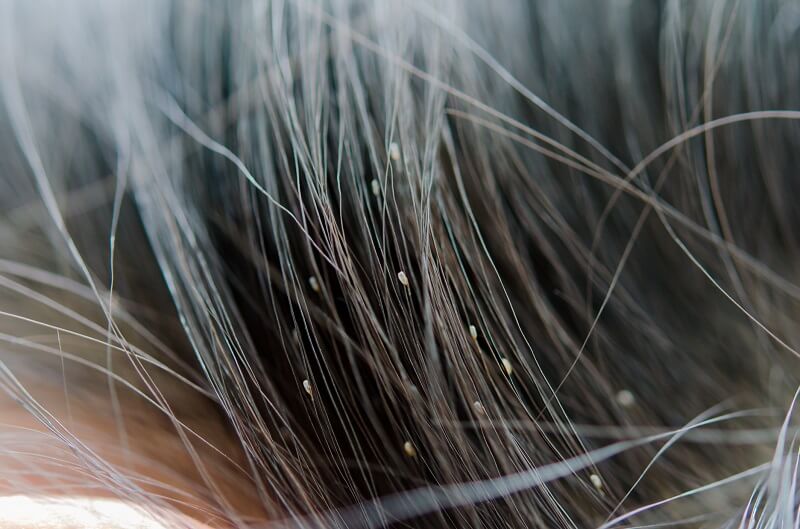
The idea of public lice spreading silently through shared surfaces and tight spaces is enough to keep any parent on edge. However, is that fear grounded in science or just another case of misinformation passed around with the popcorn?
In this blog, we will unpack common head lice myths, explain what science says about lice transmission, and share practical advice for families navigating everyday public settings.
Debunking the Myth of Public Lice
Before we dive into gyms, theaters, or playgrounds, we need to understand how lice actually spread.
What Science Says About Indirect Transmission?
The vast majority of lice cases happen through direct head-to-head contact. These tiny pests do not have wings, and they cannot jump. What they can do is crawl fast and with purpose. When people press their heads together, even briefly, lice have an opportunity to travel.
Despite the fear surrounding lice in public places, indirect transmission is surprisingly rare. Sharing a hat, hairbrush, or headset might pose a small risk, but that risk only becomes significant when the item is used immediately after a person with lice has used it.
In short, lice do not wait for their next host on tabletops, school chairs, or coat hooks. They do not leap onto you while you walk through a crowd. They crawl, and they only crawl when the opportunity is ideal.
Lice Survival on Shared Surfaces
So what about those yoga mats, headrests, or shared hats in retail stores? While technically possible, transmission of lice on surfaces is extremely unlikely. Lice require a human host to survive. They cannot feed on fabric, and they do not live more than 24–48 hours off the scalp.
Survival time varies depending on the environment. On soft, warm surfaces, lice may last a bit longer. On hard, cold materials, they die faster. Either way, their lifespan is limited, and the window for transmission closes quickly. You would need to use the item almost immediately after an infested person, and even then, the louse would have to survive the transition and crawl to your scalp.
How Risky Are These Public Spaces?
The following public environments each present different levels of exposure. However, none are as risky as most people assume.
Gyms
Gyms are often filled with shared spaces and high-touch equipment. Between locker rooms, sweat-soaked towels, and exercise mats, the average gym may seem like a hotbed for lice. In truth, the risk of contracting public lice is relatively low.
Transmission may occur if you share personal items, such as hats, brushes, or headphones, with someone who has lice. Similarly, placing your bare head on a bench just after someone with lice used it could present a small risk. However, lice do not thrive in high-traffic, sterile environments. Most gym-goers are not rubbing heads together mid-rep.
That said, it is wise to bring your towel, wipe down equipment, and keep personal hygiene items separate—small habits like these lower your risk of picking up anything, from germs to lice.
Movie Theaters
In theory, you can get lice from theater seats, but only under particular conditions. The louse would need to have fallen onto the cloth upholstery shortly before you sat down. Since lice die within a day or two without human contact, and most theater showtimes have breaks between them, the odds are low.
Still, theaters with plush cloth headrests may carry slightly more risk than those with vinyl or leather seating. To play it safe, avoid leaning your head directly against the seat and keep your hair tied back.
Playgrounds
When it comes to public lice, the playground is dangerous because of the social interaction. Children share helmets, hug often, and crowd together on the equipment. These behaviors create prime opportunities for lice to spread.
Unlike movie theaters or gyms, where indirect contact might occur, playgrounds are places where kids touch heads. And since lice crawl directly from one scalp to another, this environment presents the highest public exposure.
Still, parents can help reduce the risk by encouraging children not to share hats or hair accessories and by regularly checking for symptoms. It is also a good idea to avoid community dress-up bins or costume stations at events and parties.
Preventive Tips for Families and Individuals
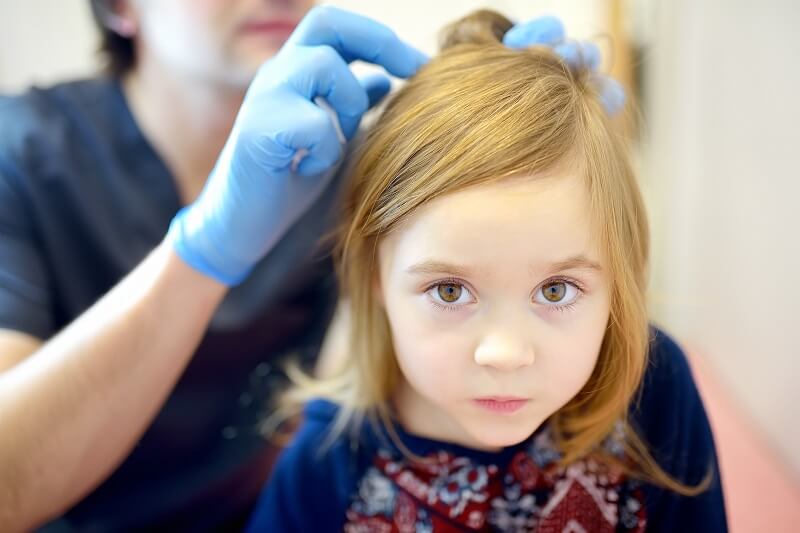
Here are some simple, science-backed lice prevention tips that can help you stay lice-free without needing to sanitize your life.
- Tie back long hair into braids or buns to make it harder for lice to latch on
- Use hairspray or styling products to make hair less inviting to crawling bugs
- Avoid sharing personal items like combs, hats, scarves, or headsets
- Bring your own towel and mat to the gym, and wipe the equipment before and after use
- Use lice-repellent sprays before heading to summer camps or crowded events
- Do not lean your head on fabric headrests, bus seats, or borrowed furniture
- Be cautious when trying on hats or pullovers in retail stores
- Talk to your kids about not sharing helmets, hoodies, or brushes with friends
Take Smart Steps to Avoid Lice in Public Spaces
Lice are frustrating, but they are not invincible. They are rarely lurking on the seats or towels we share. The myth of public lice creates more fear than facts, but a little awareness goes a long way. Direct contact is still the main route of transmission, not furniture or fabric.
At Lice Clinics Charlotte, we help families deal with the uncertainty of exposure. Whether you just returned from a theater visit, gym session, or school event, we provide discreet, expert lice treatment that works the first time. Our AirTral Heated Air process uses science, not chemicals, to dehydrate lice and their eggs in a single, safe session.
We also offer Peace of Mind Mini Treatments for those unsure about symptoms. If you think you may have come into contact with lice or simply want reassurance after being in public, we are here for you. Contact us today to book a consultation or ask questions about our services.