Can You Get Lice From Not Washing Your Hair?
A letter comes home from school: “Several students in your child’s classroom have lice.” Parents panic and immediately run down the list: Was it the hat? The sleepover? Did we not wash their hair enough?
The idea that you can get lice from not washing your hair is one of the most persistent head lice myths. In this blog, we will break down the reality behind lice and hygiene. We will explain how lice really spread, what role hair cleanliness plays, and how to protect your family without fear or shame.
Understanding Head Lice: Basics
Head lice are tiny parasites that feed on human blood. They live on the scalp, often near the nape of the neck and behind the ears. Though they are a nuisance, they do not carry disease or indicate uncleanliness.
Life Cycle
Lice have three life stages:
- Egg (nit): Laid close to the scalp, attached to the hair shaft.
- Nymph: Hatches in about 7–10 days, looking like a smaller version of an adult.
- Adult louse: Grows to about the size of a sesame seed and lives for up to 30 days on a human host. A female can lay up to 10 eggs a day.
Habitat
Lice survive by staying close to the scalp, where it is warm and humid. This environment is perfect for feeding and reproducing, whether the hair is clean, oily, curly, or straight.
How Do Lice Spread?

The number one way lice move from person to person is through head-to-head contact. Children at school, during sleepovers, at sports practice, or in playgrounds are all at risk simply by leaning in for a hug or posing for a selfie. Lice transmission is about physical proximity, not hygiene habits.
Indirect contact is less common, but lice can also be transferred via shared objects, such as hats, combs, scarves, stuffed animals, or pillows. While they do not live long off the scalp, typically less than 48 hours, it is still smart to clean or isolate items that may have come in contact with an infested head.
Myth Busting
Lice cannot jump or fly. They crawl. That means you will not get lice from not washing your hair, nor will lice leap from across the room. You have to be close enough for them to crawl over.
The Role of Hair Cleanliness in Lice Infestation
Clean strands make it easier for lice to grip and lay eggs. Oily or dirty hair can make the attachment process more difficult. That said, lice do not prefer dirty hair. They will infest any head they can reach.
Why the Myth Persists
For centuries, lice have been unfairly associated with poverty or poor sanitation. This outdated view has fueled stigma and shame, especially among parents. The truth is that lice and hygiene are unrelated. Anyone can get lice, regardless of whether you have clean or dirty hair or whether it is short, long, straight, or curly.
Factors That Increase the Risk of Lice
Lice spread most rapidly in environments where people are in close quarters. This includes:
- Classrooms and daycare centers
- Summer camps
- Sports teams
- Sleepovers and shared bedrooms
Children are especially vulnerable because they tend to play closely and share personal items without thinking twice.
Shared Items
Sharing items that touch the head, including hairbrushes, barrettes, headphones, or helmets, can lead to lice transmission. However, this form of transmission is far less common than head-to-head contact.
Hair Length/Type
While lice do not discriminate by hair type, longer or thicker hair can provide more places to hide and can be harder to check thoroughly. Still, no hair type is immune. Every person is equally susceptible.
Effective Prevention Strategies
Avoid Head-to-Head Contact
Teach kids to be mindful of personal space during play. Remind them that it is okay to say no to sharing pillows or hats during sleepovers. These are not rules of isolation but lice prevention tips.
Personal Items
Label your child’s belongings, especially during school outbreaks. Encourage them to keep their hats and scarves in their backpacks or cubbies instead of shared hooks or lockers.
Regular Checks
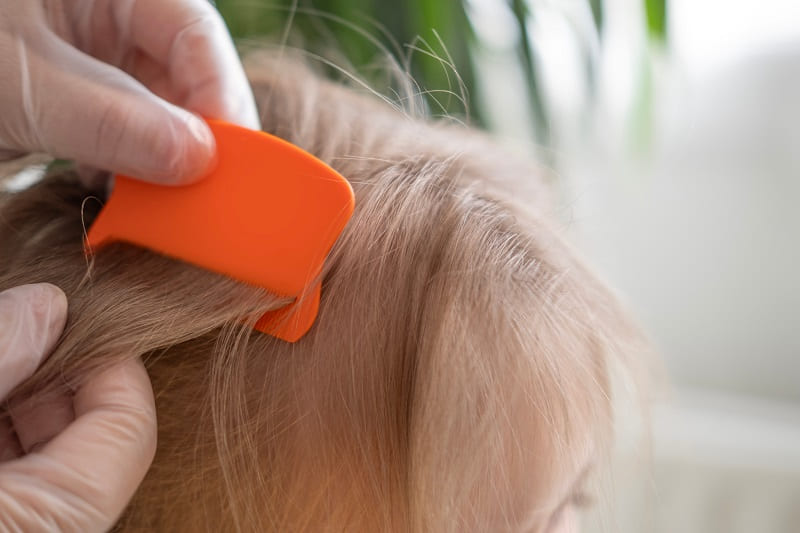
Use a fine-toothed lice comb every couple of weeks, especially if you know there has been exposure at school or daycare. Nits are easiest to spot under bright light. Early detection makes treatment easier.
Awareness
Talk about lice openly. The more we treat lice as an everyday health issue rather than a failure of hygiene, the more likely we are to catch and manage infestations early.
Our Treatment Options
At Lice Clinics Charlotte, we know how overwhelming it can feel to discover lice in your family. We offer a range of solutions designed to eliminate lice quickly, safely, and with as little stress as possible.
Full-Service Airtral Exclusive Treatment
Our most comprehensive option starts with heated air technology that dehydrates lice and eggs. Afterward, our trained clinicians perform a meticulous comb-out and apply our all-natural solution. Most clients are lice-free in just one session, with no need for follow-up combing.
Traditional Comb-Out for Younger Children
For children under three, we offer a gentle, manual removal process. Our team carefully works through the hair in sections and finishes with our soothing treatment solution.
Peace of Mind Mini Treatment
Not sure whether lice are present? Our mini treatment includes a head check, comb-through, and application of treatment solution. If lice are found, we will apply the full treatment and adjust the price accordingly.
DIY Lice Kit for Home Use
If you prefer to treat at home, our kit includes professional-grade mousse, solution, a lice comb, and step-by-step instructions. This option requires several thorough comb-outs over 10 to 12 days to be effective.
Why Professional Treatments Work Best
Store-bought shampoos often require multiple applications and may not kill all the eggs. We combine clinical expertise with proven tools to remove lice in a single visit. If you want to know how to get rid of lice quickly and safely, professional help makes all the difference.
Think You or Your Child May Have Lice?
Do not let worry take over. Lice are frustrating but manageable. Most importantly, they are not a sign of being dirty. You do not get lice from not washing your hair, but you do get them from someone else who has them.If you suspect an infestation, we are here to help. Schedule a screening or treatment with us to get peace of mind, fast relief, and expert support every step of the way.