How to Identify Lice in Hard-to-See Areas: Scalp, Nape, and Behind the Ears
Lice are small, fast, and sneaky. They tend to hide in areas that are hard to inspect, such as the scalp, the base of the neck, and just behind the ears. These warm, tucked-away spots provide the perfect environment for lice to thrive and multiply. That is why identifying lice in these specific areas is one of the most important steps toward stopping an infestation before it spreads.
Although lice are not dangerous and do not carry diseases, they can cause discomfort, irritation, and ongoing stress for families. In this guide, we will show you how to identify lice in hidden locations, what tools to use, what early symptoms to notice, and when to call in professional support.
Understanding How to Identify Lice
Lice do not fly or jump; they crawl. When they move from one head to another, they head straight for warmth and shelter. The scalp, the nape of the neck, and the area behind the ears offer exactly what they need.
These areas provide easy access to blood, a stable temperature, and protection from light and disruption. That is why lice often appear in these regions before showing up anywhere else.
Common Signs to Watch For

When learning how to identify lice, focus on both visual and physical signs. The most common symptom is itching, but not everyone itches right away. Some people may not react to bites for days or even weeks.
Here are other signs to look for:
- Red bumps or rashes at the base of the scalp
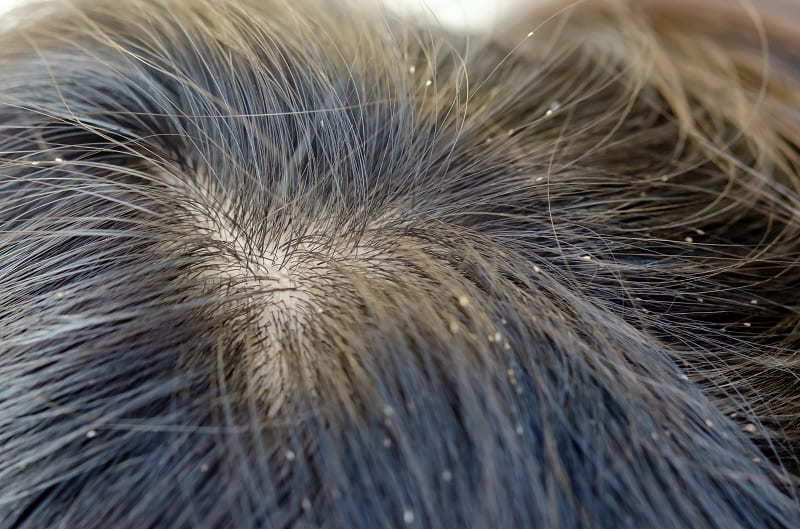
- Tiny white or tan specks stuck to hair shafts
- Sensations of tickling or movement
- Areas of irritation or broken skin from scratching
These signs often appear before you spot a live louse, especially in areas that are difficult to see without close inspection.
Scalp
Live lice on the scalp are small, about the size of a sesame seed, and usually tan or grayish-white. They move fast and prefer dark environments, which makes them difficult to spot unless you part the hair and look closely.
Lice nits, or eggs, look like tiny ovals and are usually yellowish, white, or clear after hatching. They cling to the hair shaft roughly a quarter inch from the scalp and do not flake off like dandruff.
How to Inspect the Scalp?
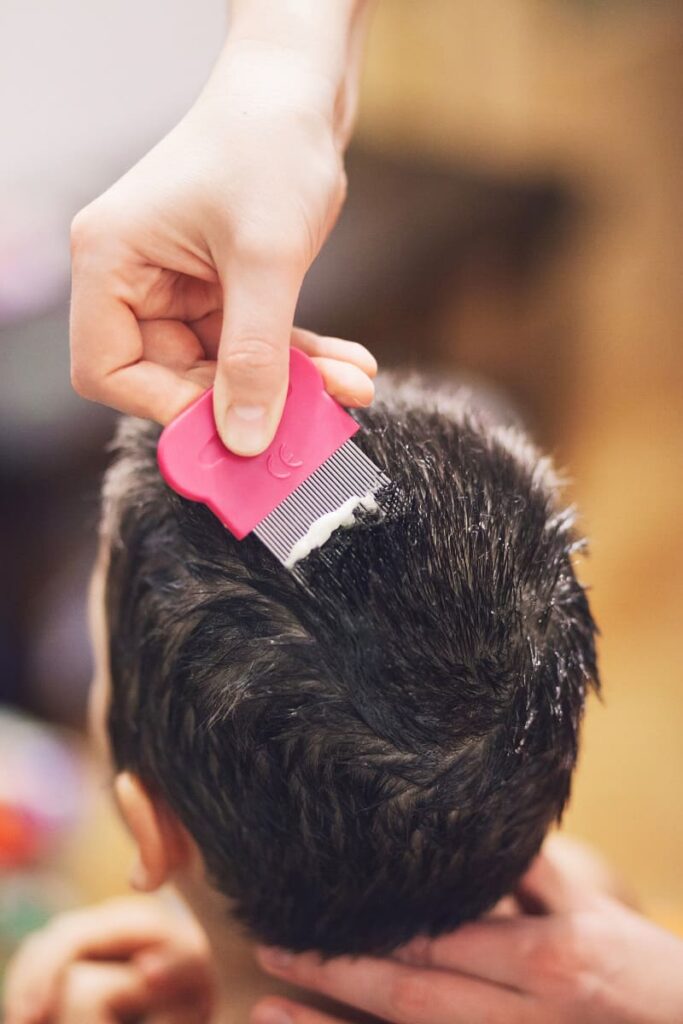
To examine the scalp effectively, apply conditioner to damp hair to slow down lice movement. Then, use a lice comb to go through the hair in very small sections.
Start at the crown and work your way down. After each stroke, wipe the comb on a tissue or white paper towel. Use a bright light or magnifying glass for better visibility.
This method is one of the most reliable ways to check for head lice symptoms in their earliest stages.
Nape of the Neck
The nape of the neck is warm and protected by layers of hair. It is also a common spot for bites, especially if the lice population is growing. Watch for red bumps, skin irritation, or visible clusters of nits stuck near the scalp. Scratching may become frequent when nape lice settle in, especially at night.
How to Identify Lice at the Nape
To find lice in this area, part the hair horizontally to expose the hairline and upper neck. Use gloves to avoid transferring lice or bacteria. Shine a flashlight directly on the area to help spot nits or adult lice. Move in small sections and pay close attention to the roots of the hair.
Behind the Ears
If you are looking for lice behind the ears, you will often find them near the base of the scalp, where the skin is soft and hidden by thicker patches of hair. This is one of the easiest places for lice to lay eggs without detection.
Bites may cause redness or bumps, and some children scratch behind their ears without realizing why.
Tips for a Proper Check
Put on gloves, then separate the hair vertically just above and behind the ear. Use your fingers to part small sections.
A flashlight can help you see darker lice or white nits more clearly, especially on fine hair. Ensure you check behind both ears thoroughly and watch for any irritation on the skin near the roots.
Spotting Lice in Kids vs. Adults
Lice are more common in children, especially in schools, camps, or daycare environments where head-to-head contact happens naturally. Kids are less aware of physical symptoms and may not speak up until itching becomes intense.
That is why parents and caregivers need to know how to identify lice early, even before symptoms become obvious.
In adults, signs of lice may go unnoticed for longer. Itching can be mistaken for product buildup or a dry scalp. Because lice move quickly and hide well, adults often miss the visual cues. This delay in diagnosis can lead to a longer infestation and more transmission within a household.
When to Seek Professional Help?
Even when you follow every step correctly, lice can still be hard to eliminate. If over-the-counter treatments fail or if symptoms return after treatment, it may be time to schedule a professional lice check.
This is especially important if you see signs of a scalp infection, like oozing or swollen lymph nodes. If you are unsure what you are seeing, a professional inspection can provide clarity and peace of mind.
Lice Clinics Charlotte’s Removal Can Help
At Lice Clinics Charlotte, we offer quick, non-toxic solutions that are safe for children and adults. Our most popular service is Airtral Dehydration Treatment, which uses heated air to dehydrate lice and eggs in a single, 60-minute session. This process does not require follow-up and allows clients to return to school or work the same day.
We also provide:
- Traditional comb-outs for infants and toddlers
- Peace of Mind Mini Treatments for those who just want to be sure
- Affordable screenings for the whole family starting at $20
- Do-it-yourself kits with detailed instructions for confident parents
All our treatments are safe, pesticide-free, and eligible for FSA or HSA reimbursement. If lice are disrupting your home, we are here to make the process simple and stress-free.
Contact Lice Clinics Charlotte to schedule a check, treatment, or consultation. We are ready to help your family stay lice-free, safely, and quickly.